

Choosing an Interior Designer: Beyond the Portfolio
An accomplished portfolio is only part of the picture. From architectural expertise and technical capability to the subtleties of a successful working relationship, we consider what truly matters when appointing an interior designer.
Appointing an interior designer is as much a question of judgement and compatibility as it is of aesthetic preference. From the breadth of a studio's experience to the intricacies of its working methods, there are considerations worth exploring long before the first design presentation.
There is no shortage of beautiful interiors to admire. The proliferation of design imagery has made it easier than ever to discover architects, decorators and interior designers whose work resonates with our particular tastes. Yet while an accomplished portfolio is an excellent starting point, it reveals relatively little about the experience of working with the person responsible for it.
A substantial residential renovation or commercial interior is rarely a brief undertaking. Depending on its complexity, a commission might extend over many months or several years, involving architects, contractors, specialist makers and an extensive programme of design decisions. The relationship between client and designer must accommodate not only the creative ambitions of the project, but its practical realities.
Finding the right studio, therefore, deserves rather more consideration than an appreciation of its decorative style.
Looking beyond a signature style
An interior designer's portfolio offers an insight into their aesthetic sensibility, but it is worth looking beyond the immediate appeal of the photographs.
Some studios are celebrated for a distinctive visual language, recognisable across their work. Others adopt a more individual approach, allowing the architecture, context and personalities of their clients to determine the decorative direction.
Neither is inherently preferable. The distinction is whether the designer's approach corresponds with what you hope to achieve.
Consider the breadth of their work. Do the interiors respond convincingly to different architectural periods? Is there an understanding of proportion and materiality beneath the decoration? Can you recognise a consistency of quality even when the individual schemes are markedly different?
A beautifully photographed room may demonstrate an excellent eye, but a successful interior must also withstand the less photogenic demands of everyday life.
For a private residence, this might mean accommodating a family's changing needs without compromising the architectural character of the house. In a commercial setting, it may involve reconciling an ambitious design concept with operational requirements, regulatory considerations and the practicalities of maintenance.
The most revealing question is not necessarily whether you would choose the same furniture or colour palette, but whether you recognise a level of thought and judgement in the work.
Experience and the nature of the commission
Interior design encompasses a remarkably broad range of disciplines, and the expertise required can vary considerably between projects.
The refurbishment of a listed country house presents different challenges from the development of a contemporary apartment or the creation of a boutique hospitality interior. Each demands an understanding of its particular architectural, technical and operational circumstances.
It is worth establishing whether a prospective designer has experience relevant to the scale and complexity of your intended commission, and how they approach aspects that fall beyond their immediate specialism.
Some studios undertake primarily decorative commissions, concentrating on furniture, finishes and soft furnishings. Others provide a more extensive service incorporating spatial planning, bespoke joinery, technical detailing, procurement and coordination during construction.
Neither approach is intrinsically more valuable; the important distinction lies in understanding what your project requires and ensuring the designer's remit is appropriately defined.
Equally, a studio need not have completed an identical project to be well suited to a commission. An experienced designer with a rigorous process and a good understanding of construction may bring considerable insight to an unfamiliar building type.
What matters is the ability to recognise the demands of the project, identify the appropriate expertise and collaborate effectively with the wider professional team.
The importance of process
The creative aspect of interior design understandably receives the greatest attention, yet much of a project's success depends on what happens beyond the presentation of a concept.
A well-established design process provides structure to an undertaking that may involve hundreds of interconnected decisions.
It is reasonable to ask how a studio develops its initial brief, at what stage technical drawings and specifications are produced, and how the design is communicated to the contractors and craftspeople responsible for its execution.
Consider, too, how budgets are established and monitored, how changes are managed and what arrangements exist for procurement, delivery and installation.
These questions are not especially romantic, but their answers can be enormously revealing.
A designer may have impeccable taste, yet without appropriate organisation and technical understanding, even the most compelling scheme can become difficult to realise.
Conversely, a carefully managed process allows the creative work to develop with greater confidence, supported by clear decisions, realistic programmes and an understanding of the practical implications of each proposal.
There is considerable reassurance in knowing that the less visible aspects of a project are receiving as much attention as its decorative ambitions.
Craftsmanship, materials and longevity
A designer's relationship with materials and makers is another useful indication of their approach.
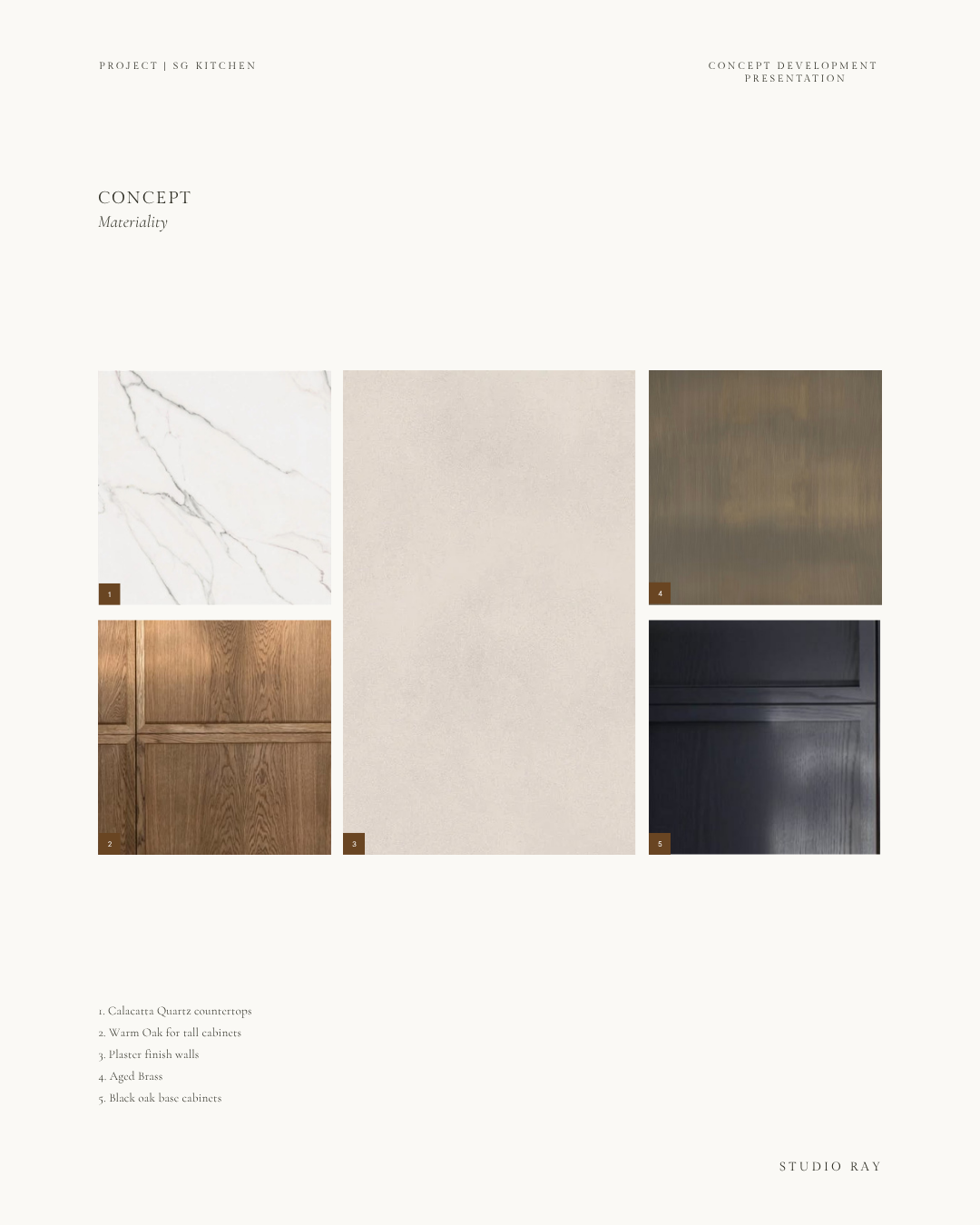
The quality of an interior is not determined exclusively by the cost of its contents, but by the suitability of the materials, the precision of their application and the care with which individual elements are brought together.
Bespoke joinery, specialist finishes, upholstery and architectural metalwork all benefit from close collaboration between designer and craftsperson. An understanding of how things are made can inform the design from the outset, rather than becoming a consideration once the drawings are complete.
Longevity is equally important.
Natural materials, carefully chosen finishes and well-made furnishings have the capacity to acquire character with age. The decision to retain or restore an existing architectural feature may be more appropriate than replacing it, while investing in the quality of frequently used elements can have a greater long-term benefit than allocating resources to more conspicuous decorative gestures.
It is worth discussing how a designer approaches these decisions, particularly where sustainability, maintenance and the future adaptability of a space are important considerations.
A thoughtful scheme should be as convincing in its practical choices as it is in its appearance.
The relationship between client and designer
Perhaps the least tangible, yet one of the most significant considerations, is the working relationship itself.
Interior design can be an unusually personal professional service. In a residential commission, a designer may become familiar with the rhythms of family life, individual habits and preferences, and the particular compromises that arise when several people share a home.
Commercial projects require an equally nuanced understanding of the client, although the considerations may concern brand identity, operational pressures, customer behaviour or the expectations of a wider group of stakeholders.
In either case, the designer must be capable of listening carefully, interpreting information and occasionally questioning an initial assumption when a more considered solution presents itself.
The best collaborations are not necessarily those in which client and designer agree on every detail from the outset.
A productive relationship allows room for discussion, differences of opinion and the development of ideas that neither party might have arrived at independently.
An initial consultation should therefore offer more than an opportunity to discuss the designer's portfolio. It is a chance to understand how they think, how they communicate and whether their manner of working inspires confidence.
There is also something to be said for discretion. A private home is, after all, a personal environment, and clients should feel comfortable discussing expectations around confidentiality, photography and the use of project imagery.
Understanding the investment
Before appointing a studio, it is important to establish a clear understanding of the scope of its services and the associated financial commitments.
Design fees may be structured by project stage, calculated as a percentage of the works, charged on an hourly basis or agreed as a fixed sum for a defined scope.
The method itself is less important than the clarity with which it is explained.
Clients should understand precisely what is included, which services are charged separately and how additional work or changes to the brief will be managed.
It is equally useful to discuss the anticipated overall project expenditure at an early stage. An experienced designer should be able to help establish realistic priorities and explain how design decisions may affect the wider budget, although detailed construction costs will generally require input from the appropriate consultants and contractors.
The least expensive design proposal is not necessarily the most economical appointment. A well-resolved scheme, comprehensive documentation and considered procurement can help avoid costly revisions and unnecessary expenditure as the work progresses.
Above all, transparent financial arrangements provide a sound foundation for the relationship.
A question of confidence
Ultimately, choosing an interior designer involves balancing a number of considerations that cannot be judged by imagery alone.
Technical competence, aesthetic understanding, organisational ability and the quality of the wider professional relationships all have their part to play. So too does the less easily measured question of personal compatibility.
A good designer should bring ideas and expertise that extend beyond the original brief, while retaining a clear understanding of whose home or business they are creating.
The objective is not to find someone who will simply reproduce an admired interior, but a professional capable of interpreting a particular building, navigating the complexities of its transformation and creating something appropriate to the people who will inhabit it.
When that relationship is well judged, the benefits reach far beyond the finished rooms.
The process itself becomes a more considered and rewarding undertaking, and the resulting interior has the opportunity to be something rather more enduring than an expression of current taste.
Studio Ray is a founder-led interior design practice based in Gloucestershire, working across private residential, commercial and hospitality interiors. Our approach combines architectural understanding, detailed design and specialist procurement, with an emphasis on individual character, craftsmanship and thoughtful collaboration.
For enquiries concerning a forthcoming project, please contact Studio Ray.